

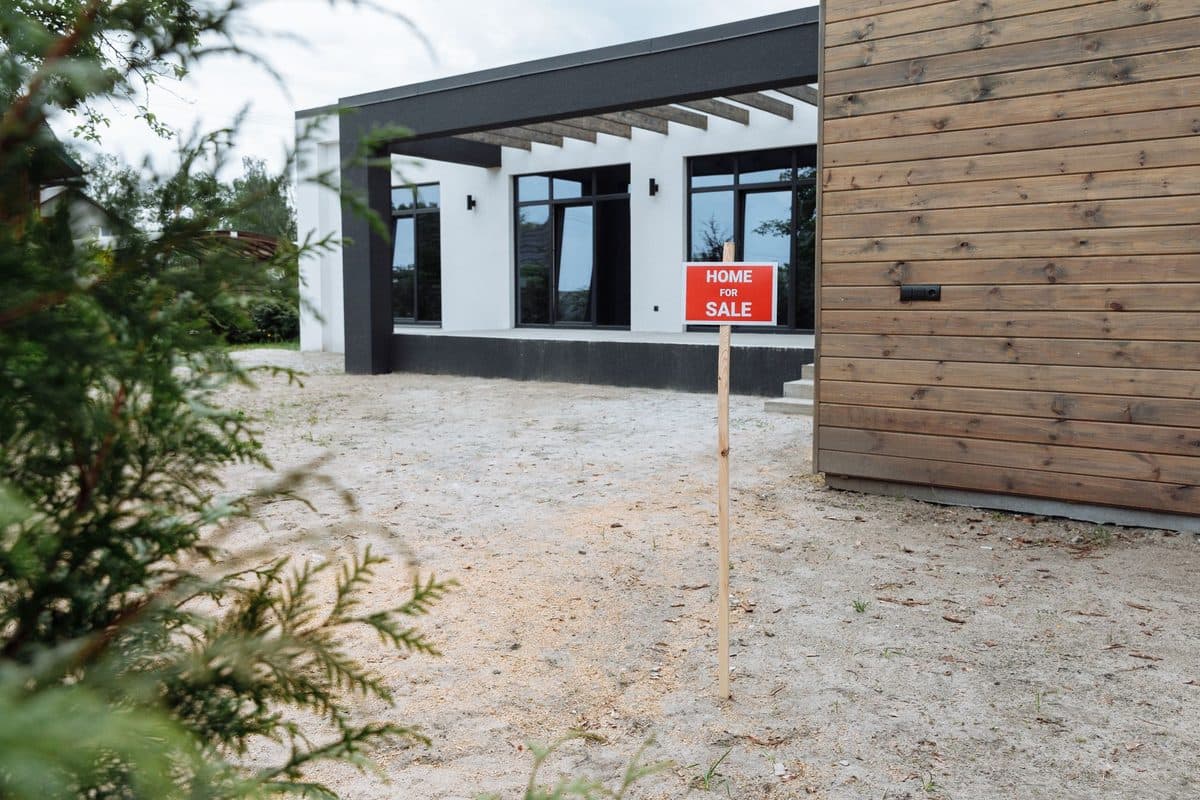
The best time to sell a house in Las Vegas is traditionally spring — roughly March through June — when buyer activity peaks and well-priced homes move quickly. Late winter can also work in your favor, since inventory is thinner while motivated buyers keep shopping. Summer's peak heat softens foot traffic but doesn't stop serious buyers, especially relocating families racing the school calendar. That said, for most sellers the calendar matters less than pricing, presentation, and personal timing. Here's how the seasons actually play out in the valley — and why your situation usually wins.
Spring: The Traditional Sweet Spot
Spring is the high season for Las Vegas real estate. The weather is ideal for showings, relocating households are planning summer moves, and overall buyer demand is at its strongest. More buyers competing for homes can support firmer pricing and shorter days on market for sellers who prepare and price right. If you have flexibility, listing in this window gives you the largest pool of motivated buyers.
Late Winter: An Underrated Window
The weeks before spring — late winter into early March — can be quietly advantageous. Inventory is typically lower, so a well-presented home faces less competition, while the buyers who are out looking tend to be serious rather than casual. Listing slightly ahead of the spring surge can mean more attention per listing and less pressure to discount.
Summer: Hotter Outside, Still Active
Las Vegas summers are intense, and buyer traffic does dip in the July–August peak. But the market doesn't shut down — families relocating before the school year and out-of-state buyers escaping higher-cost markets keep shopping. If you sell in summer, two things matter most: price it accurately for current conditions, and make sure the home shows comfortably, with the air conditioning set cool and the space bright and inviting. A hot, stuffy showing kills momentum fast.
Fall and Winter: Fewer Buyers, More Serious Ones
Activity tapers in the fall and around the holidays, but the buyers still in the market usually have a real reason to move. Less competition can work for sellers willing to be patient and price sharply. It's not the high season, but it's far from a dead zone — and the right buyer only needs to see one home.
Why Your Timeline Usually Matters More
Trying to time the market perfectly is difficult, and if you're selling here and buying again here, you're operating in the same market on both sides — so waiting rarely creates a real edge. Your equity position, your reason for moving, and your personal timeline typically outweigh the calendar. The highest-leverage moves are pricing correctly from day one and presenting the home well, regardless of season. Start with an accurate home valuation, then talk through timing with a local listing agent who can pull current days-on-market figures for your neighborhood.
Frequently Asked Questions
What is the best month to sell in Las Vegas? Spring (roughly March–June) sees the most buyer activity; late winter can also be advantageous with lower competing inventory.
Is it bad to sell during summer? Not necessarily — traffic softens in July–August, but serious and relocating buyers stay active. Price right and keep the home cool and bright for showings.
Does the time of year affect my price? Modestly — spring demand can firm pricing — but inventory, rates, and your pricing strategy usually matter more than the calendar.
How long does it take to sell? In a balanced market, a well-priced home often goes under contract within a few weeks; overpriced homes sit longer.
Should I wait for a better market? Timing the market is hard, and selling-then-buying locally keeps you in the same market. Personal timeline and equity usually outweigh waiting.
Frequently Asked Questions
What is the best month to sell a house in Las Vegas?
Spring — roughly March through June — is traditionally the strongest selling window in Las Vegas, with the most buyer activity and competition. Late winter can also be advantageous because inventory is lower while motivated buyers are still shopping. The very best month depends on your neighborhood and current market conditions.
Is it bad to sell during the Las Vegas summer?
Not necessarily. Buyer traffic does soften in the peak heat of July and August, but serious buyers — including relocating families trying to move before the school year — are still active. Pricing correctly and ensuring your home shows comfortably (cool and well-lit) matters more than avoiding the season entirely.
Does the time of year affect my sale price?
It can, modestly. Spring's higher demand can support stronger pricing and faster sales, while slower seasons may mean more negotiation. But overall market conditions — inventory, interest rates, and your pricing strategy — typically influence your final price more than the calendar.
How long does it take to sell a home in Las Vegas?
It varies with market conditions and pricing. In a balanced market, a well-priced, well-presented home often goes under contract within a few weeks, while overpriced homes can sit much longer. Days on market for your specific area is the best gauge — your agent can pull current figures.
Should I wait for a better market to sell?
Timing the market perfectly is difficult. If you're selling and buying again locally, you're moving within the same market, so waiting offers limited advantage. Your personal timeline, equity position, and reason for moving usually outweigh trying to predict the ideal moment.
What is your home actually worth today?
Tell us the address and condition. You'll get a real valuation from a licensed broker based on current comparable sales — not an automated guess off a website.