

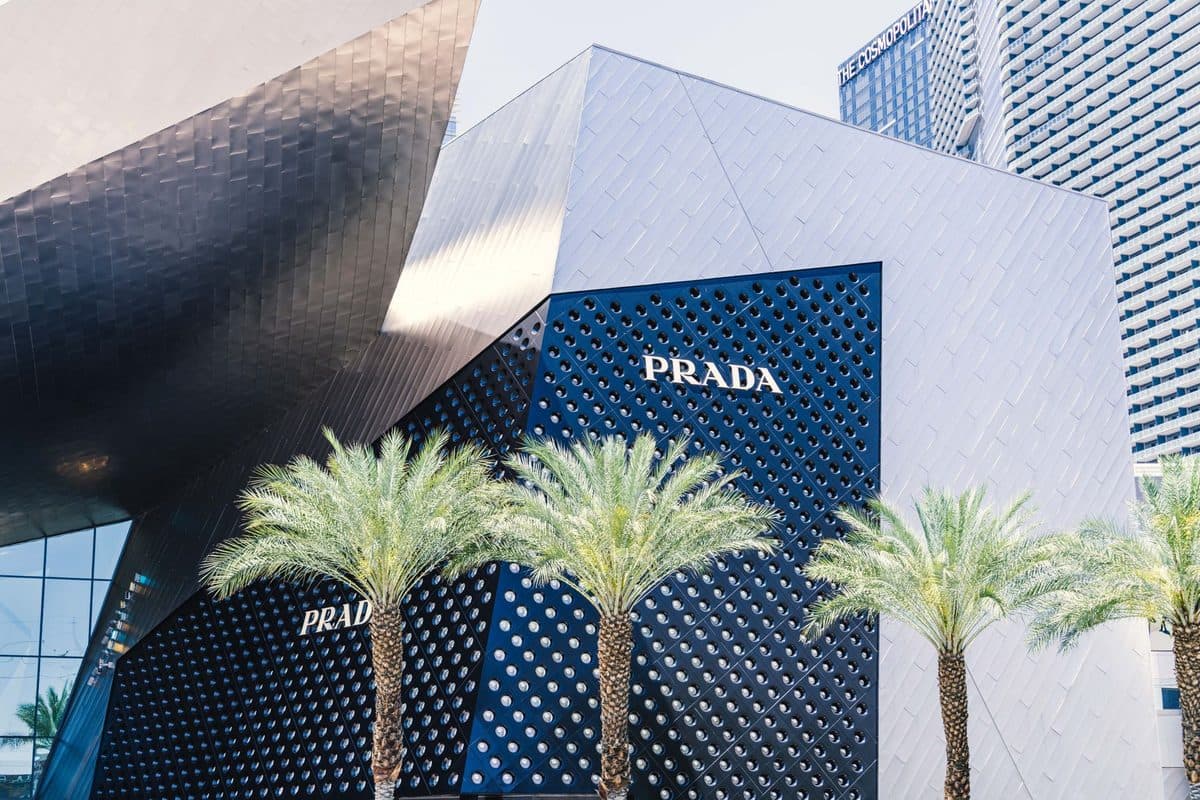
BLVD Las Vegas is one of the clearest current signals in Las Vegas Strip retail real estate: the best new spaces are not just stores, and they are not just restaurants. They are visible, walkable, branded destinations built for food, shopping, events, social media, and heavy pedestrian traffic. The new two-story In-N-Out at BLVD, reported at about 8,000 square feet with a 2,500-square-foot terrace, shows why national tenants still want the Strip when the real estate gives them enough visibility and volume to justify the rent. For landlords, tenants, and investors, BLVD is a reminder that the Strip is still a retail laboratory, but only for concepts with strong execution.
Why BLVD Is a Commercial Real Estate Signal
BLVD sits on Las Vegas Boulevard near the center of the resort corridor, across from T-Mobile Arena and close to MGM Grand, Park MGM, CityCenter, and the Tropicana/A's ballpark redevelopment area. The official BLVD site describes the project as an elevated destination for shopping, dining, and experiences on the Strip, with a mix of retailers, restaurants, activations, and event energy. (Source: BLVD Las Vegas official site, June 2026.)
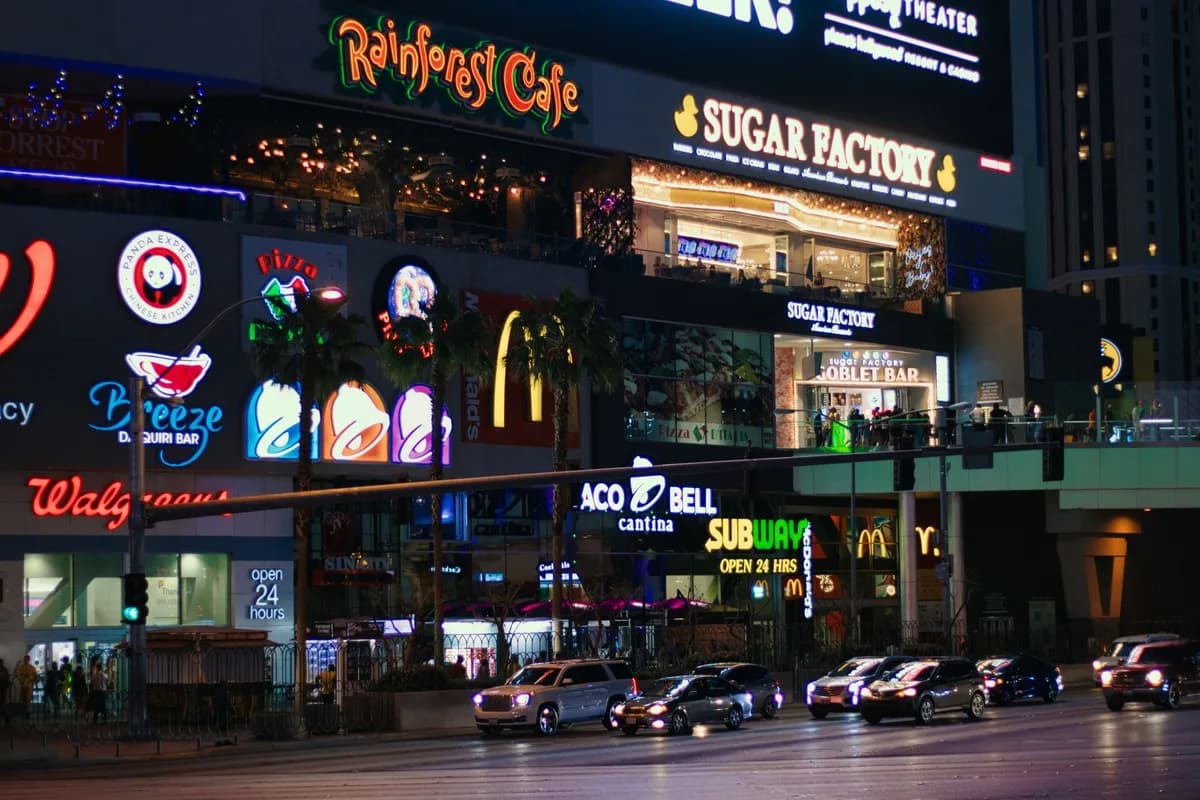
That matters because the Strip is changing. It is no longer enough to lease square footage to a passive storefront and hope casino foot traffic does the work. The strongest projects are pulling people from the sidewalk, giving visitors a reason to stop, and stacking uses vertically: retail below, dining above, photo moments, terraces, events, and brand experiences layered into the same trip.
BLVD's tenant mix points in that direction. SFGATE reported that the new In-N-Out opened June 9, 2026, on the top floor of the three-story BLVD development, with indoor seating for 170 guests, terrace seating for 50 more, and roughly 70 employees. The same report noted that the restaurant joins other food concepts in the center, including How Ya Dough'n and Silverlake Ramen. (Source: SFGATE, June 2026.)
For a commercial real estate investor, that is the story: food traffic, brand traffic, and pedestrian traffic are being designed together.
What Strip Retail Tenants Should Learn From BLVD
The first lesson is that a Strip location only works if the concept is built for the Strip. A standard suburban restaurant box, soft retail concept, or low-visibility service tenant can struggle here. The rents, labor costs, delivery logistics, parking patterns, and tourist expectations are different from Summerlin, Henderson, Centennial Hills, or the southwest valley.
The second lesson is that visibility has to be converted into dwell time. BLVD is using terraces, flagship-style storefronts, recognizable brands, and event programming to make people stay longer. That is important because the Strip visitor is usually moving between hotels, shows, restaurants, rideshare zones, and attractions. A tenant has to intercept that movement with something clear and immediate.
The third lesson is that food and beverage remain a powerful anchor. A national brand like In-N-Out can create repeat local traffic, tourist curiosity, and late-night demand. For smaller operators, the takeaway is not to copy In-N-Out's size. It is to understand why the model works: simple menu, high throughput, strong brand recognition, and a physical space that feels like part of the destination rather than a generic counter-service stop.
If you are evaluating a commercial lease in Las Vegas, especially along Las Vegas Boulevard or near a major resort corridor, the analysis should go beyond price per square foot. You need to study pedestrian flow, co-tenancy, signage rights, delivery access, employee parking, sales assumptions, and whether the project creates enough reasons for people to cross the threshold. Our commercial real estate page is a good starting point for that kind of site-selection conversation.
What Investors Should Watch Around the South Strip
The south and central Strip are carrying several overlapping real estate stories at once. BLVD is adding modern retail and restaurants. The Tropicana site is being rebuilt around the future Athletics ballpark. T-Mobile Arena and the surrounding entertainment district already pull major event traffic. The Brightline West station site south of the Strip adds a longer-term transportation angle. None of these should be analyzed in isolation.
For investors, the question is not simply, "Is this near the Strip?" The better question is, "Which demand stream supports this asset?" A restaurant space may depend on pre-show traffic and late-night visitors. A retail storefront may depend on tourist impulse purchases and brand visibility. A service or medical tenant may need locals, employees, and easy access more than tourists. A mixed-use or land play may be more tied to future infrastructure and entitlement value.
BLVD also reinforces the difference between trophy visibility and operational fit. A high-profile project can create attention, but attention does not automatically become net operating income. The lease structure, tenant improvement allowance, percentage rent, operating expenses, and replacement-tenant depth still matter. A strong location with the wrong rent basis can become fragile fast.
That is especially true in Las Vegas, where the resort corridor has a very different rhythm from neighborhood retail. A retail center in Henderson or Summerlin may be driven by grocery trips, school schedules, and household income. Strip retail is driven by visitor volume, events, conventions, restaurant demand, and brand heat.
The Bigger Shift: Retail as an Experience Platform
The broader retail market has been moving toward experience for years, but Las Vegas intensifies the trend. Visitors do not come here for ordinary. They expect restaurants, stores, entertainment, and architecture to feel memorable. That makes the Strip a proving ground for tenants that want more than a transaction.
BLVD's rooftop and terrace strategy is a good example. Dining with a view of Las Vegas Boulevard is not just seating; it is part of the product. A flagship restaurant, apparel store, sports retailer, or entertainment tenant can use that environment to create a memory, not just a sale.
This is why landlords should think carefully about co-tenancy. The right mix can make a project feel active from morning into late night. The wrong mix can create dead zones, mismatched customer profiles, or a center that looks good in renderings but lacks energy during key dayparts.
For owner-users and tenants, the main takeaway is discipline. The Strip can be powerful, but it is not forgiving. Before signing, model conservative sales, confirm labor assumptions, walk the site at multiple times of day, study event calendars, and understand how tourists actually move through the property. For retail, restaurant, flex, or service users comparing locations across the valley, commercial site selection should be tied to the customer journey, not just the address.
What This Means for Nearby Residential Demand
Commercial development on the Strip can also influence residential demand, though usually indirectly. Better retail, restaurants, jobs, and entertainment can support interest in nearby condos, high-rises, short-commute rentals, and homes with quick access to the resort corridor.
That does not mean every Strip retail announcement changes home values overnight. Residential buyers still care about schools, commute patterns, HOA costs, parking, noise, and lifestyle fit. But major retail and entertainment nodes do shape how people perceive an area. For a buyer who works in hospitality, values walkability, or wants quick access to events, a more active south Strip can matter.
Frequently Asked Questions
Why does BLVD matter for Las Vegas retail real estate? BLVD matters because it shows how Strip retail is moving toward highly visible, food-forward, experience-heavy spaces that can capture pedestrian traffic without relying only on casino resort interiors.
Is the Las Vegas Strip still a good location for restaurant tenants? Yes, but the right location and operating model matter. Strong Strip restaurants need pedestrian visibility, efficient labor planning, clear parking or rideshare access, and a reason for visitors to choose them over resort dining.
What should investors watch near BLVD and the south Strip? Investors should watch foot traffic, tenant sales durability, lease terms, parking access, future hotel or entertainment development, and spillover demand around Las Vegas Boulevard, Tropicana Avenue, Harmon Avenue, and the resort corridor.
Does BLVD help nearby residential real estate? Indirectly, yes. Strong retail and entertainment nodes can support buyer interest in nearby condos, high-rises, and rental housing, especially for people who value walkability, hospitality jobs, and quick access to the resort corridor.
What kind of tenants fit today's Strip retail market? Food and beverage, apparel, sports, entertainment, experiential retail, flagship concepts, and high-volume service brands tend to fit best because they give visitors something immediate, visual, and easy to share.
BLVD is not just a shopping center story. It is a reminder that Las Vegas commercial real estate rewards visibility, execution, and tenant concepts that understand how people actually move through the city.
Frequently Asked Questions
Why does BLVD matter for Las Vegas retail real estate?
BLVD matters because it shows how Strip retail is moving toward highly visible, food-forward, experience-heavy spaces that can capture pedestrian traffic without relying only on casino resort interiors.
Is the Las Vegas Strip still a good location for restaurant tenants?
Yes, but the right location and operating model matter. Strong Strip restaurants need pedestrian visibility, efficient labor planning, clear parking or rideshare access, and a reason for visitors to choose them over resort dining.
What should investors watch near BLVD and the south Strip?
Investors should watch foot traffic, tenant sales durability, lease terms, parking access, future hotel or entertainment development, and spillover demand around Las Vegas Boulevard, Tropicana Avenue, Harmon Avenue, and the resort corridor.
Does BLVD help nearby residential real estate?
Indirectly, yes. Strong retail and entertainment nodes can support buyer interest in nearby condos, high-rises, and rental housing, especially for people who value walkability, hospitality jobs, and quick access to the resort corridor.
What kind of tenants fit today's Strip retail market?
Food and beverage, apparel, sports, entertainment, experiential retail, flagship concepts, and high-volume service brands tend to fit best because they give visitors something immediate, visual, and easy to share.
Looking for space, or a commercial deal?
Tell us the size, use, and submarket. We'll send current availabilities and real quoted rates — including the ones that never hit a public listing site.