

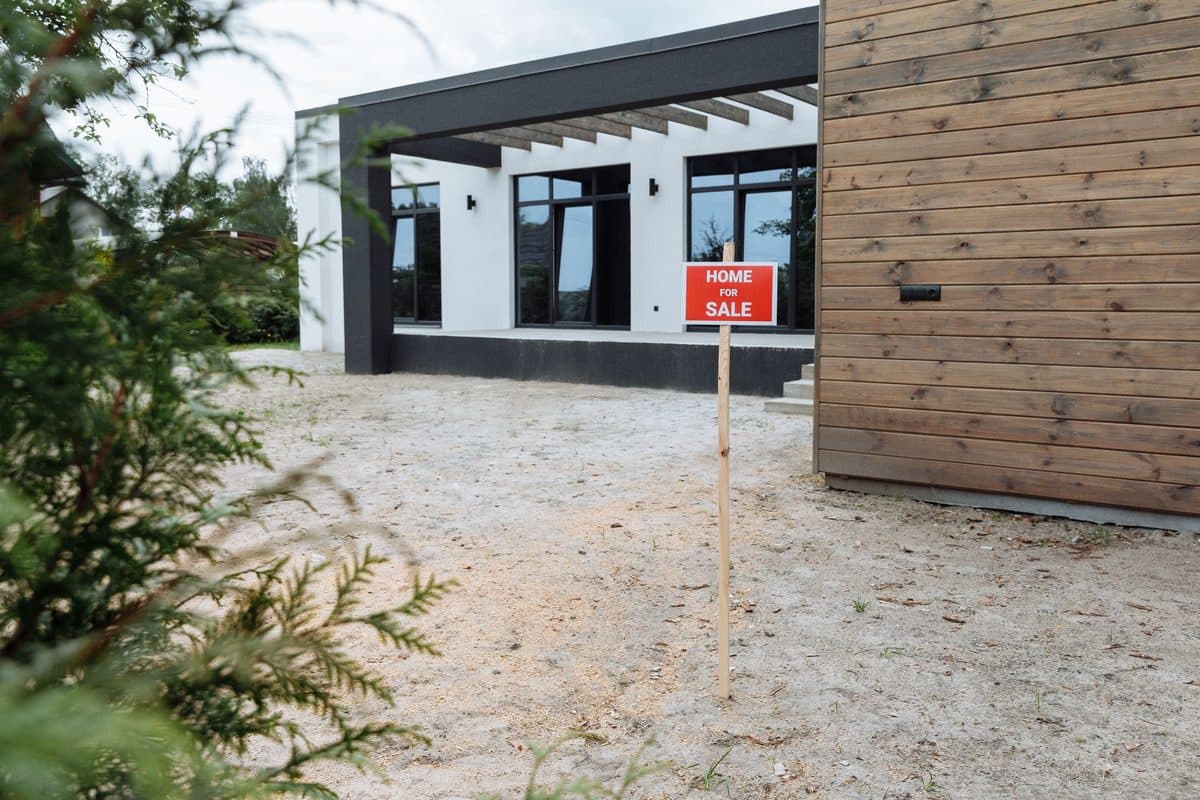
More than half of Las Vegas home sellers are now paying something toward the buyer's costs. Redfin's concessions report put the Las Vegas metro at 55.2% of home sales including a seller concession for the three months ending May 31, 2026 — well above the 46.2% national share that same period (Source: Redfin · June 2026). In practice, most valley concessions run 1% to 3% of the sale price, or roughly $4,800 to $14,400 on the $480,000 July median for existing single-family homes. The number that matters isn't the average, though. It's what your specific buyer's loan program allows, and whether that money does more work as a closing-cost credit, a rate buydown, or a straight price reduction.
What counts as a seller concession?
A seller concession is money you credit the buyer at closing, written into the purchase agreement and paid out of your proceeds. It can cover the buyer's loan origination and lender fees, escrow and title charges, prepaid property taxes and insurance, discount points, a home warranty, and — relevant in a valley where most homes sit inside an association — the HOA transfer and demand fees that come with closing in Summerlin, Inspirada, or Skye Canyon.
What it is not is a price cut. That distinction is the whole game. A $12,000 credit on a $480,000 contract and a price reduction to $468,000 cost you identical money. But the credit records as a $480,000 sale, and the price cut records as $468,000. One of those protects the comp that your neighbors, and your own next appraisal, get measured against.
How many Las Vegas sellers are actually paying?
The 55.2% figure comes with a wrinkle worth knowing: it was down 4.4 percentage points from a year earlier, even as the national rate climbed from 43.1% to 46.2% (Source: Redfin · June 2026). Las Vegas concedes far more often than the country as a whole, but slightly less often than it did in 2025. Nationally, about one in seven May sales (15.7%) carried both a price drop and a concession, up from 12.8% a year earlier — sellers who miss on price the first time frequently end up paying twice.
The backdrop explains the behavior. Las Vegas REALTORS MLS data showed 5,840 active single-family listings valley-wide as of Sept. 3, 2026, with the median price of existing single-family homes at $480,000 for July (Source: Las Vegas REALTORS MLS, via Very Vintage Vegas Market Watch · Sept. 3, 2026). Meanwhile the 30-year fixed averaged 6.71%, up from 6.66% the prior week and 6.50% a year ago (Source: Freddie Mac Primary Mortgage Market Survey · Sept. 3, 2026). Buyers have choices and payments are the binding constraint — which is precisely the condition that turns concessions into standard practice rather than a distress signal. If you're weighing whether values themselves are moving, that's a separate question we broke down in are Las Vegas home prices dropping.
What's the maximum seller concession allowed?
The buyer's loan sets the ceiling, and exceeding it is money thrown away:
| Loan type | Maximum seller concession |
|---|---|
| Conventional, under 10% down | 3% of sale price |
| Conventional, 10%–25% down | 6% |
| Conventional, over 25% down | 9% |
| Conventional, investment property | 2% |
| FHA | 6% |
| VA | Customary closing costs + 4% |
| USDA | 6% |
(Source: Fannie Mae / Freddie Mac, FHA, VA and USDA program guidelines · 2026)
Read that table before you counter, not after. A buyer putting 5% down on a conventional loan is capped at 3% — roughly $14,400 on a $480,000 sale. If they ask for $20,000, the extra $5,600 cannot be refunded to them in cash; it gets stripped at closing. You'd have conceded the negotiation and delivered nothing.
Concession or price cut? Run your net first
Both cost the same. What differs is what the buyer gets for it.
Take a $480,000 list price and $15,000 on the table. As a price cut, the home sells at $465,000, and at 6.71% with 20% down that trims the buyer's principal and interest by about $78 a month — real, but rarely decisive. As a concession, that same $15,000 can be routed into discount points or a temporary buydown that front-loads the relief into the first year or two, when payment shock is sharpest and when most buyers expect to refinance anyway. Same cost to you. Considerably more persuasive to them.
That's the case for a concession. The case against is simpler: if your list price is genuinely above what the market will bear, a credit will not rescue it. Concessions solve payment problems. They do not solve pricing problems. Before you decide which one you have, get an honest read on what your home is actually worth — the answer determines the strategy.
Who's conceding the most in the valley
Not every Las Vegas seller is in the same position:
- Anyone competing with a builder. Standing new-construction inventory in North Las Vegas, Skye Canyon, and the southwest and Enterprise corridors comes with in-house lenders that can buy rates down aggressively. A resale seller a mile away cannot match that with a price cut alone.
- Listings past 30 to 45 days. A concession is usually the cheaper repair for a stale listing than a second price reduction, and it doesn't advertise weakness on the MLS history.
- Condos and townhomes, where HOA dues already strain the buyer's debt-to-income ratio.
- Downsizing sellers. Move-up buyers can absorb a credit; retirees selling a paid-off house to move into 55+ communities in Las Vegas are trading equity directly for their next purchase, and every dollar conceded is a dollar not funding the move.
Two things that quietly kill a concession
The appraisal. Your credit is paid out of the contract price, so the home has to appraise at that price. A $480,000 contract with a $15,000 credit that appraises at $470,000 doesn't just lose $10,000 — it reopens the entire negotiation with the buyer holding better cards.
Vague paperwork. "Seller to credit buyer $12,000" without specifying the allowable use invites a fight three days before closing when the lender rejects part of it. Name the use, confirm the buyer's loan type and down payment in writing, and ask the buyer's lender for the buydown quote before you sign anything. A concession negotiated on assumptions is a concession negotiated twice.
Frequently Asked Questions
How much are seller concessions in Las Vegas right now? Most Las Vegas concessions land between 1% and 3% of the sale price. On the $480,000 July median for existing single-family homes, that's roughly $4,800 to $14,400. More than half of valley sales include some concession — Redfin put Las Vegas at 55.2% of sales for the three months ending May 31, 2026.
Does a seller concession lower my sale price on the comps? No. The recorded sale price stays where you agreed. A $480,000 sale with a $12,000 credit still records as a $480,000 sale, while a price cut to $468,000 records as $468,000. Both cost you the same money, but only one of them lowers the comp your neighbors — and your own future appraisal — get measured against.
What is the maximum seller concession allowed? It depends on the buyer's loan. Conventional loans cap interested-party contributions at 3% with less than 10% down, 6% from 10% to 25% down, 9% above 25% down, and 2% on investment properties. FHA allows up to 6%, USDA up to 6%, and VA allows customary closing costs plus up to 4% in concessions. The cap is a ceiling, not a target.
Is it better to reduce my price or offer a concession? If your listing is priced correctly and the problem is the buyer's monthly payment, a concession usually wins — it can fund a rate buydown that moves the payment more than an equivalent price cut does. If your price is genuinely above the market, no concession fixes that. Cut the price.
Can a seller concession pay for a mortgage rate buydown? Yes. Discount points and temporary buydowns are eligible uses of seller credit on most loan programs, and this is where concessions do their best work in a 6.71% market. The buyer's lender prices the buydown, so ask for that quote in writing before you agree to a number.
What happens if the buyer asks for more concession than their loan allows? The excess is wasted — it cannot be handed back to the buyer as cash. If a 5%-down conventional buyer asks for 4% and their cap is 3%, the credit gets reduced at closing and you gave up negotiating room for nothing. Confirm the buyer's loan type and down payment before you counter.
Frequently Asked Questions
How much are seller concessions in Las Vegas right now?
Most Las Vegas concessions land between 1% and 3% of the sale price. On the $480,000 July median for existing single-family homes, that's roughly $4,800 to $14,400. More than half of valley sales include some concession — Redfin put Las Vegas at 55.2% of sales for the three months ending May 31, 2026.
Does a seller concession lower my sale price on the comps?
No. The recorded sale price stays where you agreed. A $480,000 sale with a $12,000 credit still records as a $480,000 sale, while a price cut to $468,000 records as $468,000. Both cost you the same money, but only one of them lowers the comp your neighbors — and your own future appraisal — get measured against.
What is the maximum seller concession allowed?
It depends on the buyer's loan. Conventional loans cap interested-party contributions at 3% with less than 10% down, 6% from 10% to 25% down, 9% above 25% down, and 2% on investment properties. FHA allows up to 6%, USDA up to 6%, and VA allows customary closing costs plus up to 4% in concessions. The cap is a ceiling, not a target.
Is it better to reduce my price or offer a concession?
If your listing is priced correctly and the problem is the buyer's monthly payment, a concession usually wins — it can fund a rate buydown that moves the payment more than an equivalent price cut does. If your price is genuinely above the market, no concession fixes that. Cut the price.
Can a seller concession pay for a mortgage rate buydown?
Yes. Discount points and temporary buydowns are eligible uses of seller credit on most loan programs, and this is where concessions do their best work in a 6.71% market. The buyer's lender prices the buydown, so ask for that quote in writing before you agree to a number.
What happens if the buyer asks for more concession than their loan allows?
The excess is wasted — it cannot be handed back to the buyer as cash. If a 5%-down conventional buyer asks for 4% and their cap is 3%, the credit gets reduced at closing and you gave up negotiating room for nothing. Confirm the buyer's loan type and down payment before you counter.
What is your home actually worth today?
Tell us the address and condition. You'll get a real valuation from a licensed broker based on current comparable sales — not an automated guess off a website.