

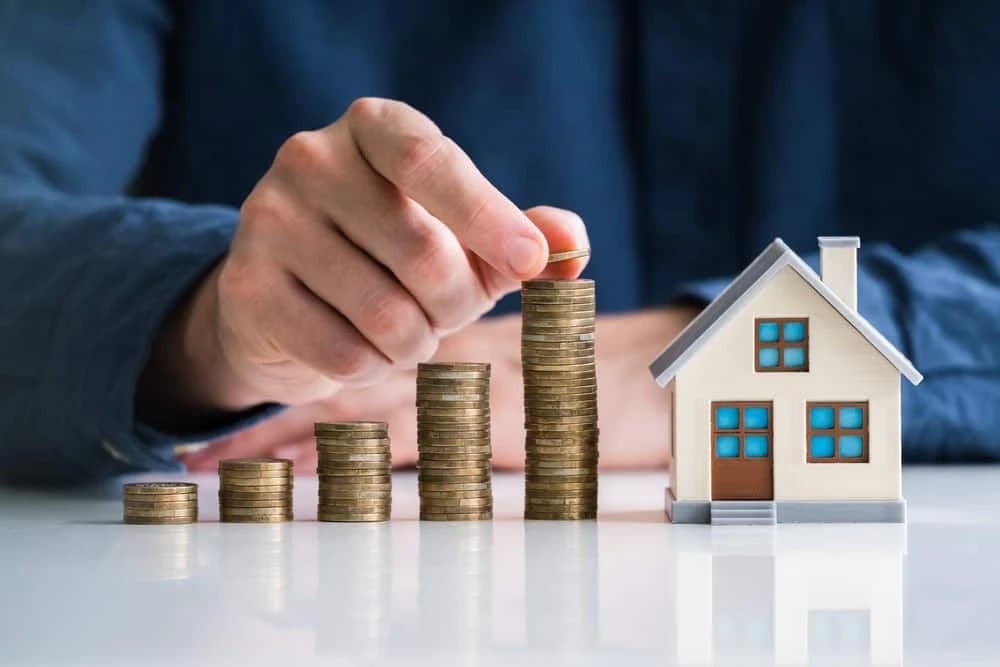
Buying a home is one of the most significant financial and personal decisions most people make. It involves more moving pieces than almost any other transaction — lenders, inspectors, agents, title companies, appraisers, and sellers, all operating within timelines that don't stop when life gets complicated.
Today's market presents real opportunities alongside real challenges. Interest rates are higher than they were during the pandemic era, but in many markets, buyers have regained negotiating leverage that was absent for several years. The key is approaching the process with clarity — about your finances, your priorities, and what you're actually looking for.
Understand the Current Market
Market conditions vary meaningfully by location, price range, and property type. The broad national narrative rarely matches what's happening in a specific neighborhood at a specific price point.
In many markets right now, demand continues to outpace supply at certain price points while other segments offer genuine flexibility for buyers. Some areas remain competitive; others give buyers meaningful room to negotiate on price, closing costs, and repairs.
Before starting a search, take time to understand what's actually happening in the specific market you're targeting. Recent sales data, days on market, and list-to-sale price ratios tell the real story.
Financial Preparation Is the Foundation
Searching for homes before you know your real budget is one of the most common mistakes buyers make — and one of the most avoidable. Financial preparation should happen before property tours, not alongside them.
The essential steps:
Review your full financial picture. Income, expenses, savings, existing debt, and credit score all factor into what you can borrow and at what rate. Identifying issues early gives you time to address them.
Get pre-approved, not just pre-qualified. Pre-qualification is a quick estimate based on self-reported information. Pre-approval involves verified documentation and produces a letter that sellers take seriously in competitive situations.
Plan for more than the down payment. Closing costs typically add 2% to 5% of the purchase price. Budget for these separately. Post-closing reserves matter too — having financial cushion after closing reduces the stress of early homeownership considerably.
Location: The Decision That Outlasts Everything Else
The home you buy can be renovated, upgraded, and modified over time. The location cannot be changed.
Location affects quality of life in ways that compounds: commute time, school quality, neighborhood trajectory, property appreciation, and daily convenience. Evaluating locations seriously — including the long-term picture, not just today's conditions — is one of the most valuable investments of time in the buying process.
Key factors to consider:
- Proximity to employment and major commute routes
- School districts and educational options
- Access to retail, dining, and services
- Infrastructure quality and neighborhood maintenance
- Development trends and zoning trajectory
Working With the Right Professional
The difference between a smooth transaction and a difficult one often comes down to who you're working with. An experienced agent provides market insight, access to off-market and pre-market opportunities, negotiation experience, and the judgment to identify when a deal is worth pursuing versus when to walk away.
This is particularly valuable when the process encounters friction — inspection findings, appraisal gaps, title issues, financing complications — which happens more frequently than buyers expect.
Making an Offer and Getting to Closing
When the right property appears, being prepared to act decisively matters. Good homes at competitive prices don't wait for buyers to deliberate.
Key stages after an accepted offer:
Inspection. A licensed inspector examines the major systems. Use the findings to negotiate appropriately — not to kill the deal over minor items, but to address genuine concerns before closing.
Appraisal. Your lender orders an appraisal to confirm the property value supports the purchase price. Gaps between appraised value and contract price create complications that need to be addressed — either through renegotiation or additional funds.
Final loan approval. The lender's underwriting team reviews everything one more time. Avoid major financial changes (new debt, large purchases, job changes) between contract and closing.
Closing. Documents are signed, funds transfer, and keys change hands. Review the closing disclosure carefully before the day arrives.
The Most Important Thing
Buying a home is a process that benefits from preparation, patience, and good professional support. The buyers who have the best experiences are the ones who did the financial groundwork, understood their priorities clearly, and had people in their corner who could translate the complexity of the process into decisions they felt confident making.
Today's market has opportunities for buyers who approach it that way. The first step is simply a clear, honest conversation about where you are and what you're looking for.
Frequently Asked Questions
How do I start the home buying process?
Start with your financial picture before anything else — review income, expenses, savings, and credit score, then get pre-approved by a lender. Knowing your real budget before searching saves significant time and prevents disappointment.
What does mortgage pre-approval involve?
Pre-approval involves providing a lender with income documentation, tax returns, bank statements, and authorization to check your credit. The lender then issues a letter stating how much they'll lend you, based on verified information — stronger than a pre-qualification.
How important is location when buying a home?
Location is one of the most important factors — both for quality of life and long-term appreciation. Proximity to employment, schools, transportation, and retail all matter. The trajectory of the neighborhood over time matters as well.
What happens during the home inspection?
A licensed inspector examines the property's major systems — roof, foundation, plumbing, electrical, HVAC — and reports findings. Buyers can then negotiate repairs, credits, or price adjustments based on the results. Never skip the inspection.
What are closing costs and how much should I budget?
Closing costs typically range from 2% to 5% of the purchase price and cover fees for the lender, title company, appraisal, escrow, and other services. Budget for these in addition to the down payment — they're due at closing and can't be rolled into the mortgage in most cases.
Buying in Las Vegas?
Tell us your budget and timeline. We'll send what's actually available in that range right now, and what to expect at each price point.