

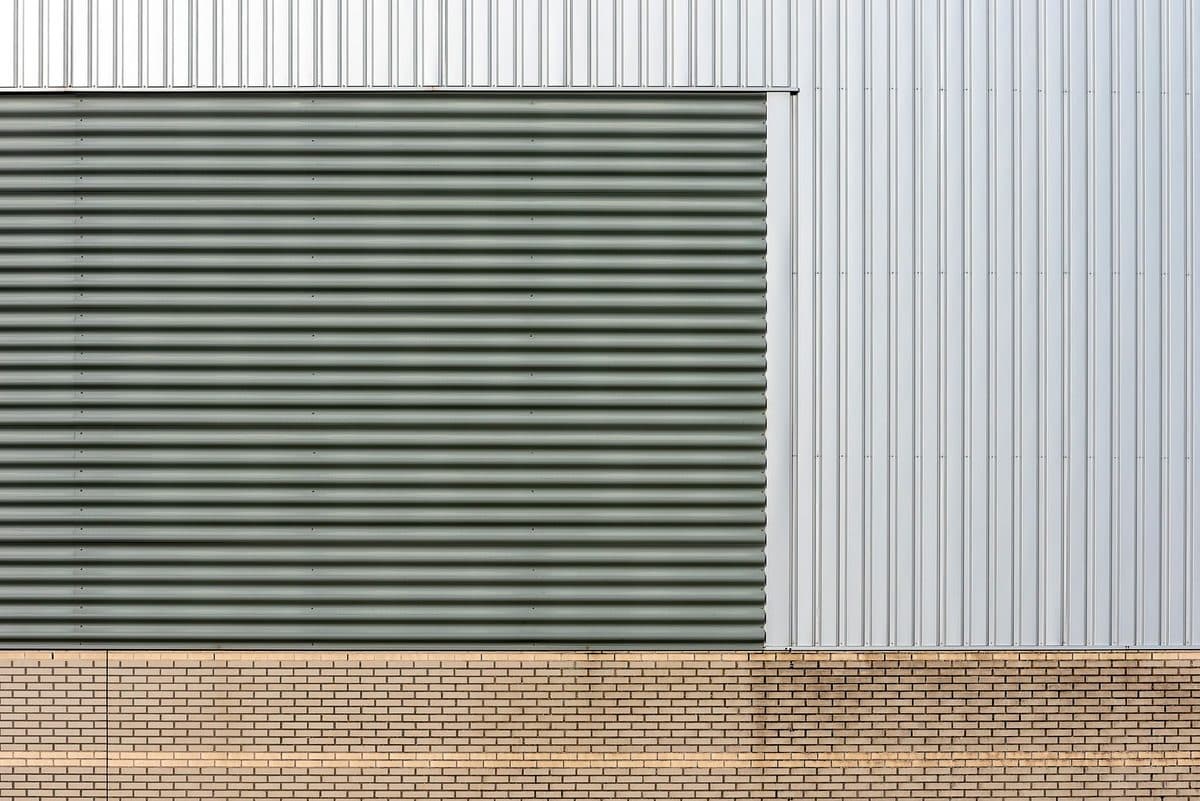
Flex space — a blend of office, warehouse, and showroom under one roof — is one of the most versatile commercial property types in Las Vegas, and a natural fit for businesses that need both a professional front and functional back-of-house. Market conditions in 2026 are favorable for tenants: the broader Las Vegas industrial market posted an 11.4% vacancy rate in Q1 2026, up slightly from the prior quarter, with only about 1.7 million square feet under construction, and light industrial and flex segments saw softer net absorption (Source: Colliers · Q1 2026). For growing companies, that can mean more choice and more negotiating room. Here's how to lease flex space well.
What Flex Space Actually Is
Flex space combines finished office area with open warehouse, often adding showroom or light production capability, in a single unit. The hallmark is configurability — a tenant can dial the office-to-warehouse ratio to suit their operation, with loading via grade-level or dock-high doors. It sits between traditional office and heavy industrial, which is exactly why so many businesses gravitate to it: one lease covers what would otherwise require two properties.
Who It's For
Flex appeals to a broad tenant base. E-commerce and distribution operations use it for order fulfillment with an office component; contractors and trades store equipment and materials while running the business up front; light manufacturers and tech or medical companies combine production or labs with offices; and showroom-plus-warehouse businesses display product while stocking inventory behind it. Growing small businesses especially value flex because it scales with them. Las Vegas's diversifying economy and logistics growth keep demand for this product type broad. See our industrial and flex overview for the range of options.
2026 Market Conditions Favor Tenants
The numbers point to a tenant-friendly window. Industrial vacancy of 11.4% in Q1 2026 — up 20 basis points both quarter-over-quarter and year-over-year — combined with limited new construction and softer absorption in the light industrial and flex segments, suggests more availability and leverage than at the market's tightest (Source: Colliers · Q1 2026). For a business shopping for flex space, that's an opening to secure better terms, but it still requires moving on the right unit when it appears.
Key Submarkets
Flex and light industrial product spans the valley's main corridors: the southwest, the airport and west-central area, North Las Vegas (near the Apex growth corridor), and Henderson. The right location depends on your priorities — customer proximity, access to I-15 and the 215 for distribution, labor pool, and cost. Each submarket carries different rent levels and availability, so define your operational needs before you narrow the geography.
What to Check Before You Sign
The physical specs make or break a flex lease. Confirm:
- Office-to-warehouse ratio — does the split fit how you'll actually operate?
- Clear height — sufficient for your racking or equipment?
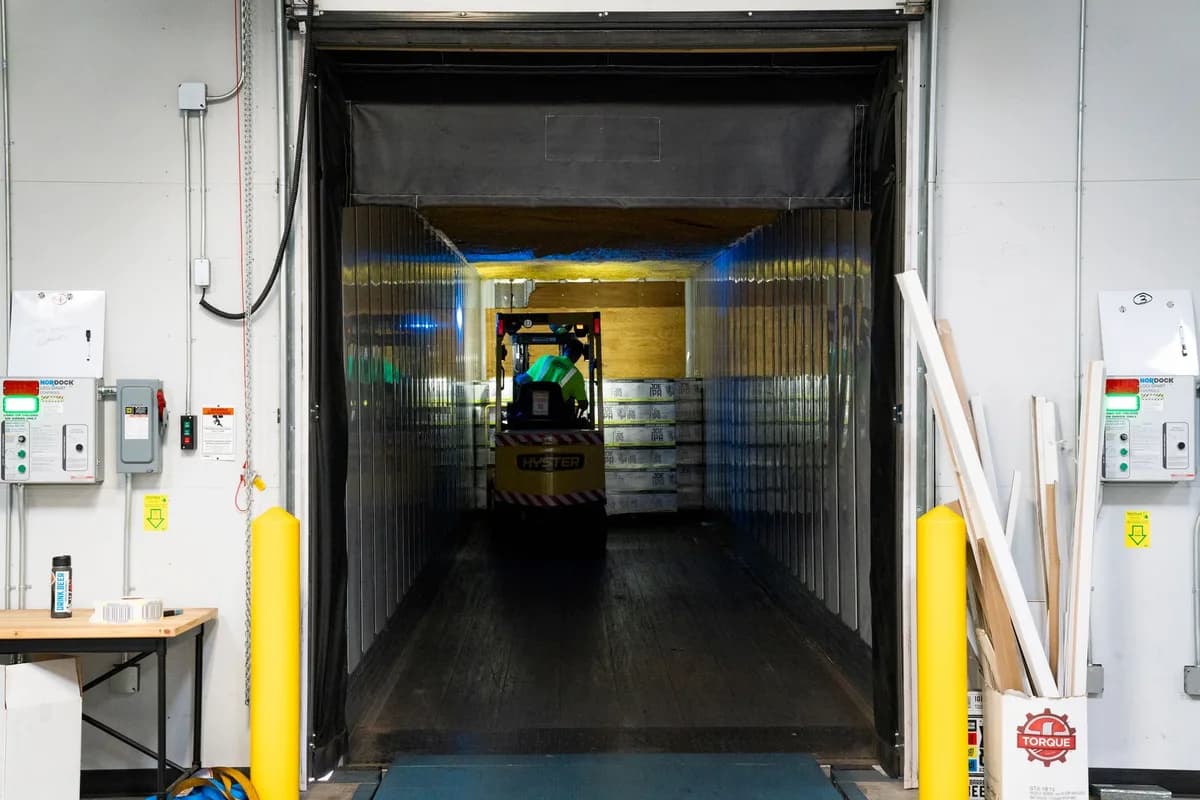
- Loading — grade-level vs. dock-high, and enough doors?
- Power — adequate amperage for your equipment?
- Zoning — does it permit your intended use?
- Parking and lease structure — enough spaces, and terms that fit your plan?
A mismatch on any of these can be expensive to fix later. Working with a commercial advisor who knows the valley's industrial submarkets helps you match the space to your business and negotiate from the current market position. For investors eyeing the sector, our commercial investment resources cover the broader opportunity.
Frequently Asked Questions
What is flex space? A versatile property combining office, warehouse, showroom, and sometimes light production under one roof, with configurable office-to-warehouse ratios and loading.
Who uses flex space? E-commerce and distribution, contractors and trades, light manufacturers, medical and tech firms, showroom-plus-warehouse operations, and growing small businesses.
What are 2026 market conditions? Industrial vacancy was 11.4% in Q1 2026, up 20 bps, with ~1.7M SF under construction and softer flex absorption (Source: Colliers · Q1 2026) — generally more options for tenants.
Where is flex space concentrated? The southwest, airport/west-central area, North Las Vegas, and Henderson industrial corridors.
What should I look for when leasing? Office-to-warehouse ratio, clear height, loading type, power capacity, zoning, parking, and lease structure — match specs and zoning to your operations.
Frequently Asked Questions
What is flex space?
Flex space is a versatile commercial property that combines office, warehouse, showroom, and sometimes light manufacturing or distribution under one roof. It typically features a mix of finished office area and open warehouse with grade-level or dock-high loading, giving businesses flexibility to configure the space for multiple uses.
Who uses flex space in Las Vegas?
Flex space suits a wide range of tenants — e-commerce and distribution businesses, contractors and trades, light manufacturers, medical and tech companies, showroom-plus-warehouse operations, and growing small businesses that need both office and storage or production space without leasing two separate properties.
What are flex and industrial market conditions in Las Vegas for 2026?
The broader Las Vegas industrial market posted an 11.4% vacancy rate in Q1 2026, up 20 basis points quarter-over-quarter and year-over-year, with limited new construction of about 1.7 million square feet underway (Source: Colliers · Q1 2026). Light industrial and flex segments saw softer net absorption, which can mean more options and negotiating room for tenants.
Where is flex space concentrated in Las Vegas?
Flex and light industrial product is found across the valley's industrial corridors — the southwest, the airport/west-central area, North Las Vegas, and Henderson. The right submarket depends on your access needs, labor pool, and proximity to customers or transportation routes.
What should I look for when leasing flex space?
Key factors include the office-to-warehouse ratio, ceiling clear height, loading type (grade-level vs. dock-high), power capacity, zoning for your intended use, parking, and the lease structure. Matching the physical specs and zoning to your operations is critical — a commercial advisor can help you avoid a costly mismatch.
Looking for space, or a commercial deal?
Tell us the size, use, and submarket. We'll send current availabilities and real quoted rates — including the ones that never hit a public listing site.