

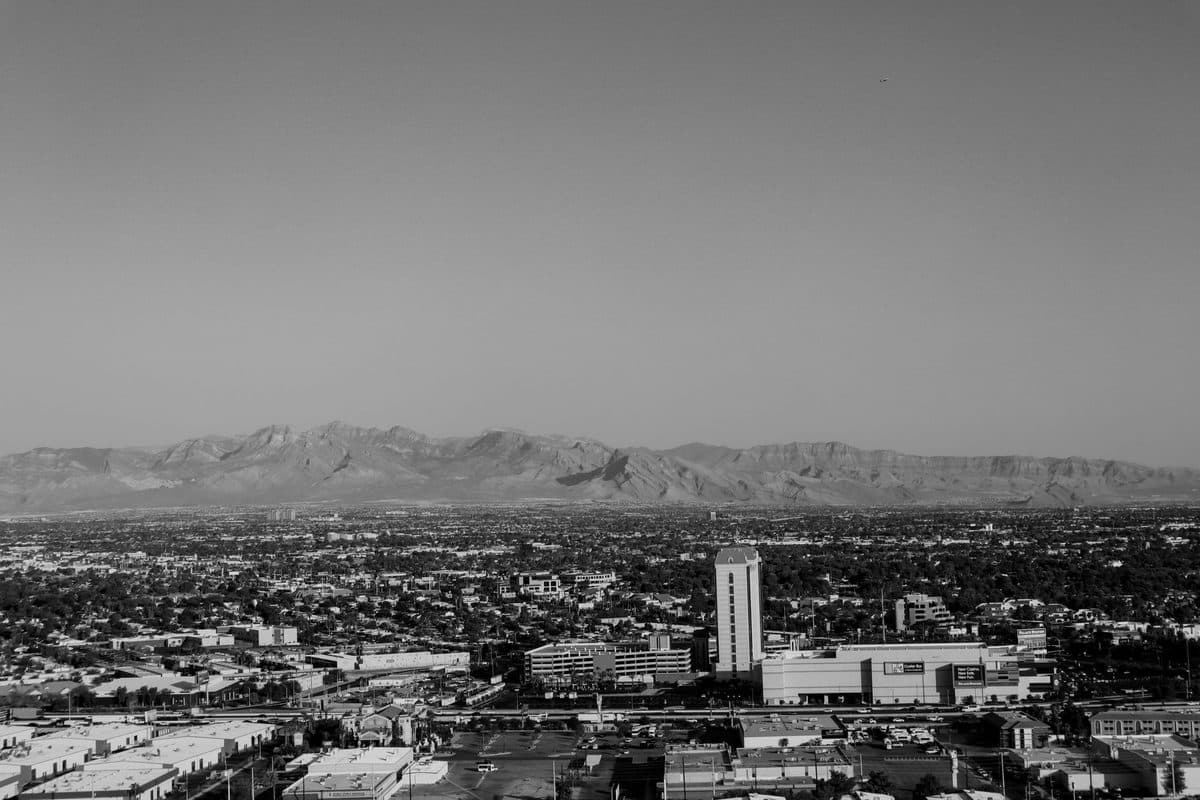
Moving from the Pacific Northwest to Las Vegas in 2026 makes strong financial sense for most households — Las Vegas is 26–34% less expensive than Seattle overall, and Oregon residents moving to Nevada eliminate a state income tax of up to 9.9%. The bigger lifestyle shift is the climate: you're trading rain and gray skies for 300+ days of sunshine and summers that require planning. Here's what Pacific Northwest transplants need to know before making the move.
Pacific Northwest to Las Vegas: The Financial Case
The tax picture depends on which state you're leaving.
From Washington: Washington has no state income tax on wages (same as Nevada), but it does levy a 7% capital gains tax on gains above $262,000 (2026 threshold) and a working families tax at 9.9% on income over $1 million. If you're selling a business, a rental portfolio, or large stock positions, Nevada's zero capital gains tax creates a meaningful advantage. For most W-2 employees, the income tax differential is neutral — the real savings come from housing.
From Oregon: Oregon's top state income tax rate is 9.9% on income above $125,000 (single) or $250,000 (married). A Portland household earning $150,000 saves approximately $13,500 per year in state income tax after relocating to Nevada. That's a mortgage payment. On a $200,000 income, the savings climb to roughly $18,000 annually (Source: Oregon Department of Revenue, 2026 brackets).
Housing cost gap: Seattle one-bedroom apartments average $2,200–$2,800/month versus $1,100–$1,500 in Las Vegas — nearly half the rent for comparable space. Portland rents run about 32% higher than Las Vegas (Source: Apartments.com 2026). On the ownership side, Las Vegas has a median home price of $472,000 (Source: GLVAR May 2026) versus Seattle's median of roughly $790,000 — you can buy significantly more home for the same monthly payment.
Overall cost of living: Las Vegas is approximately 26–34% less expensive than Seattle across housing, groceries, transportation, and services (Source: Numbeo / NerdWallet 2026). Portland's edge is smaller — roughly 9% more expensive excluding rent — but the income tax savings for Oregon earners often push total savings well past the difference.
Climate: What to Expect When You Trade the Rain for the Desert
This is the adjustment that surprises people most. The Pacific Northwest and Las Vegas represent two of the most climatically different regions in the continental U.S.
What you're leaving: Seattle averages 152 rainy days per year and only 152 sunny days (Source: US Climate Data 2026). Portland averages 144 rainy days. Cloudy winters and mild but damp summers are the norm.
What you're gaining: Las Vegas averages 294 sunny days per year. Winter temperatures run 45–65°F — outdoor dining, hiking, and golf are year-round activities. Spring (March–May) and fall (October–November) are exceptional: clear skies, 65–85°F, low humidity.
The summer reality: June through September brings sustained heat — daytime highs of 105–115°F. Budget $300–$450/month in electricity for a 2,500 sq ft home in peak months (Source: NV Energy estimates). Most residents shift outdoor activity to early morning or after sunset, and air-conditioned indoor amenities — gyms, restaurants, shopping — serve as the social fabric during summer. Almost no one who lives here year-round finds it intolerable once they adjust their schedule.
Humidity difference: Las Vegas averages 20–25% relative humidity. Wood furniture from the Pacific Northwest needs acclimation. Skin care routines change. Plants that thrived in Portland may not survive the desert without irrigation.
Best Las Vegas Neighborhoods for Pacific Northwest Transplants
PNW movers tend to prioritize access to nature, newer construction, good schools, and walkability. These submarkets match that profile:
Summerlin (West Las Vegas — 89135, 89138, 89144): Summerlin is the closest thing Las Vegas has to the Pacific Northwest's outdoor lifestyle. Over 200 miles of connected trails, 300+ parks, Red Rock Canyon 15 minutes from the front door, and 10 golf courses. Median home prices range from $550,000 to $815,000 depending on the village. It's premium, but it's Las Vegas's most established master-planned community and the most comparable experience to suburban Seattle or Lake Oswego.
Henderson — Green Valley / Anthem (89014, 89052, 89044): Henderson is consistently ranked among the safest cities in America. Green Valley and Anthem feature mature landscaping, recreation centers, and community parks — a departure from the raw desert feel of newer builds. Median prices in Henderson run $520,000–$530,000 in early 2026. Anthem in the southeast corner adds mountain views and a resort-style community center.
Northwest Las Vegas — Centennial Hills / Skye Canyon (89149, 89166): For buyers who want newer construction at more attainable prices, the northwest corridor delivers. Skye Canyon median prices are $450,000–$650,000; Centennial Hills runs slightly lower. Both communities have newer schools, and the distance from the Strip makes traffic more manageable. Mountain biking and hiking access at Sheep Mountain is a draw for outdoor-oriented PNW families.
Mountain's Edge (89178): A large master-planned community in the southwest valley popular with families seeking quieter suburban living. Entry prices start around $380,000 for newer builds, with established sections in the $420,000–$500,000 range. Desert Oasis High School (opened 2018) serves the area.
North Las Vegas (89081, 89031): The most affordable option — median prices can start in the $345,000–$380,000 range. Closer to the I-15/US-95 interchange and the emerging Apex Industrial Park, North LV is a practical choice for buyers who work in distribution, logistics, or construction trades. Less master-planned feel than the western suburbs but strong value relative to Seattle's entry market.
Relocation Logistics: What to Handle Before and After You Arrive
Driver's license and vehicle registration: Nevada requires a new license within 30 days of establishing residency and vehicle registration within 30 days. Bring your current license, proof of Nevada address, and your vehicle's title. DMV wait times run 30–90 minutes; make an appointment online.
Nevada residency for tax purposes: You need to spend 183+ days per year in Nevada to claim Nevada domicile and establish the tax advantages. Set calendar proof from day one — utility bills, bank statements, gym memberships. This matters most for Oregon residents ending their state tax obligation.
Schools: Clark County School District is the 5th largest in the U.S. with 300,000+ students. Quality varies significantly by submarket — see our detailed school-zone breakdown in our guide to moving to Las Vegas with kids for elementary/middle/high breakdowns by neighborhood.
Utilities: NV Energy serves most of the valley for electricity. Southwest Gas covers natural gas. Internet providers include Cox Communications and CenturyLink. Budget $150–$200/month for utilities in moderate months and $350–$500 during peak summer.
Best time to move: March–May or October–early December. Avoid June–August — movers charge 25–40% premium during summer peak, and moving heavy furniture in 110°F heat adds real logistical strain.
The Job Market: What's Growing in Las Vegas
A common concern from PNW transplants is whether Las Vegas has depth beyond hospitality and gaming. The diversification is real and accelerating:
- Technology / Data Centers: Switch and Novva operate millions of square feet at the Apex Industrial Park. Microsoft, Google, and Amazon have all expanded Southern Nevada infrastructure footprints. Remote work eliminates this concern entirely for location-independent earners.
- Healthcare: Valley Health System, Dignity Health, and Sunrise Hospital are major employers. The medical corridor along Sahara Ave is expanding.
- Construction / Industrial: Southern Nevada is in an active building cycle — warehouse construction, road infrastructure (I-11), and residential master-planned build-out at Cadence, Skye Canyon, and Inspirada are creating sustained demand for trades.
- Professional Services: The growth in high-net-worth and business relocation from California, Washington, and Oregon has created downstream demand for CPAs, attorneys, wealth managers, and financial advisors.
For more on the Las Vegas job market by sector, see our relocating to Las Vegas for work guide.
Frequently Asked Questions
Does moving from Washington to Nevada save you money on taxes? Washington has no state income tax, so there's no wage income tax savings for most W-2 earners. However, Washington does levy a 7% capital gains tax on gains above $262,000 (2026) — Nevada has none. Oregon earners save up to 9.9% on income by establishing Nevada residency.
What is the cost of living difference between Seattle and Las Vegas? Las Vegas is approximately 26–34% less expensive overall than Seattle. Housing is the biggest driver: Seattle one-bedrooms average $2,200–$2,800/month versus $1,100–$1,500 in Las Vegas. A single person spends an average $3,666/month in Seattle versus $2,814 in Las Vegas, rent included (Source: Numbeo 2026).
What is the cost of living difference between Portland and Las Vegas? Portland is roughly 9% more expensive than Las Vegas excluding rent, and Portland rents run about 32% higher (Source: Apartments.com 2026). Oregon's 9.9% top income tax rate means a $150,000 household saves roughly $13,500/year in state taxes after moving to Nevada.
What are the best Las Vegas neighborhoods for Pacific Northwest transplants? Summerlin offers trail access and outdoor lifestyle closest to PNW sensibilities. Henderson (Green Valley, Anthem) is family-focused and safe. Northwest LV (Centennial Hills, Skye Canyon) has newer construction at attainable prices. Mountain's Edge offers quiet suburban living in the southwest valley.
How hot does it get and what does cooling a home cost? Highs run 105–115°F June–September. Budget $300–$450/month in electricity for a 2,500 sq ft home in July–August (Source: NV Energy estimates). Well-insulated homes with modern HVAC are very comfortable; most residents shift outdoor activity to morning and evening.
When is the best time to move from the Pacific Northwest to Las Vegas? March–May or October–early December — mild temperatures, lower moving costs. Avoid June–August: summer heat adds logistics complexity and mover rates run 25–40% higher during peak season.
Ready to start your Las Vegas home search? Our relocation team knows every submarket and can match you with the right neighborhood for your budget, lifestyle, and school needs. Visit our relocation page or browse available homes to see what's active in your target price range.

Frequently Asked Questions
Does moving from Washington to Nevada save you money on taxes?
Washington has no state income tax, but Nevada also has no state income tax — so there's no income tax difference. However, Washington does have a 7% capital gains tax on gains above $262,000 (2026) and a 9.9% tax on income over $1M through its Working Families Tax. Nevada has neither. Oregon residents at the top bracket save 9.9% on all income when moving to Nevada.
What is the cost of living difference between Seattle and Las Vegas?
Las Vegas is approximately 26–34% less expensive overall than Seattle (NerdWallet/Numbeo 2026). Housing is the biggest driver: a Seattle one-bedroom averages $2,200–$2,800/month vs. $1,100–$1,500 in Las Vegas. A single person's monthly expenses average $3,666 in Seattle vs. $2,814 in Las Vegas, rent included (Numbeo 2026).
What is the cost of living difference between Portland and Las Vegas?
Portland is roughly 9% more expensive than Las Vegas excluding rent, and Portland rents run about 32% higher (Apartments.com 2026). Oregon's top state income tax rate of 9.9% applies to income over $125,000, meaning an Oregon household earning $150,000 could save roughly $13,500/year in state income tax alone by moving to Nevada.
What are the best Las Vegas neighborhoods for Pacific Northwest transplants?
Summerlin on the western edge offers trails, parks, and Red Rock Canyon access — closest to the outdoor lifestyle PNW residents value. Henderson (especially Green Valley and Anthem) is family-focused with low crime. Northwest Las Vegas (Centennial Hills, Skye Canyon) has newer construction and more affordable pricing. Mountain's Edge is popular with buyers seeking a quieter suburban feel.
How hot does it get in Las Vegas and what does it cost to cool a home?
Summer highs run 105–115°F from June through September. Expect electric bills of $300–$450/month for a 2,500 sq ft home in July–August (NV Energy estimates). Well-insulated homes with efficient HVAC systems stay very comfortable; most residents shift outdoor activities to early morning and evening during peak summer.
When is the best time to move from the Pacific Northwest to Las Vegas?
March through May or October through early December are ideal. Movers are in lower demand and temperatures are mild (60–85°F). Avoid June–August if possible: summer heat adds logistical complexity and moving companies charge 25–40% more during peak season.
Moving to Las Vegas?
Tell us where you're coming from and roughly when. We'll send a plan for your timeline — which areas to look at, what it actually costs, and what to handle first.